October 16, 2026
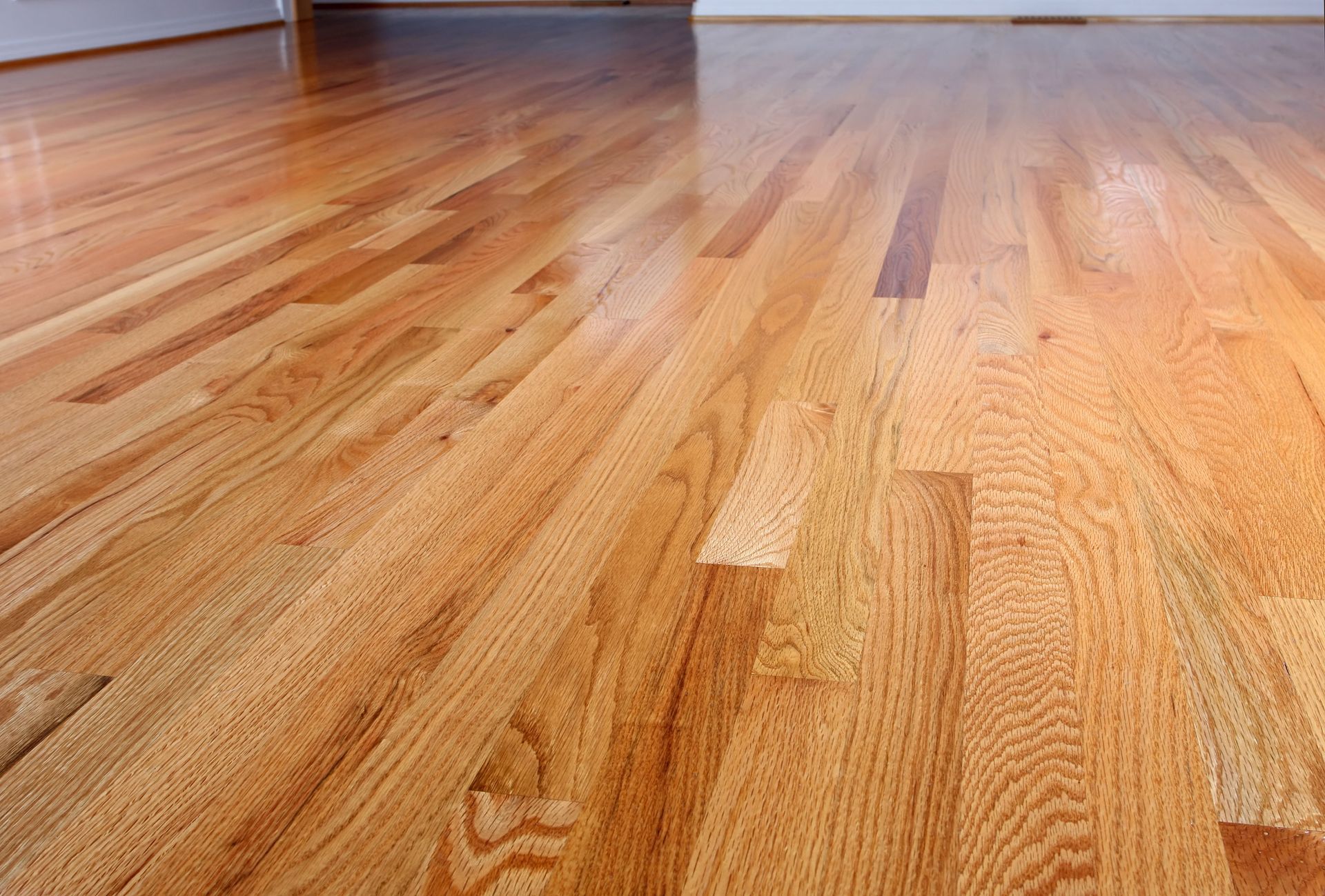
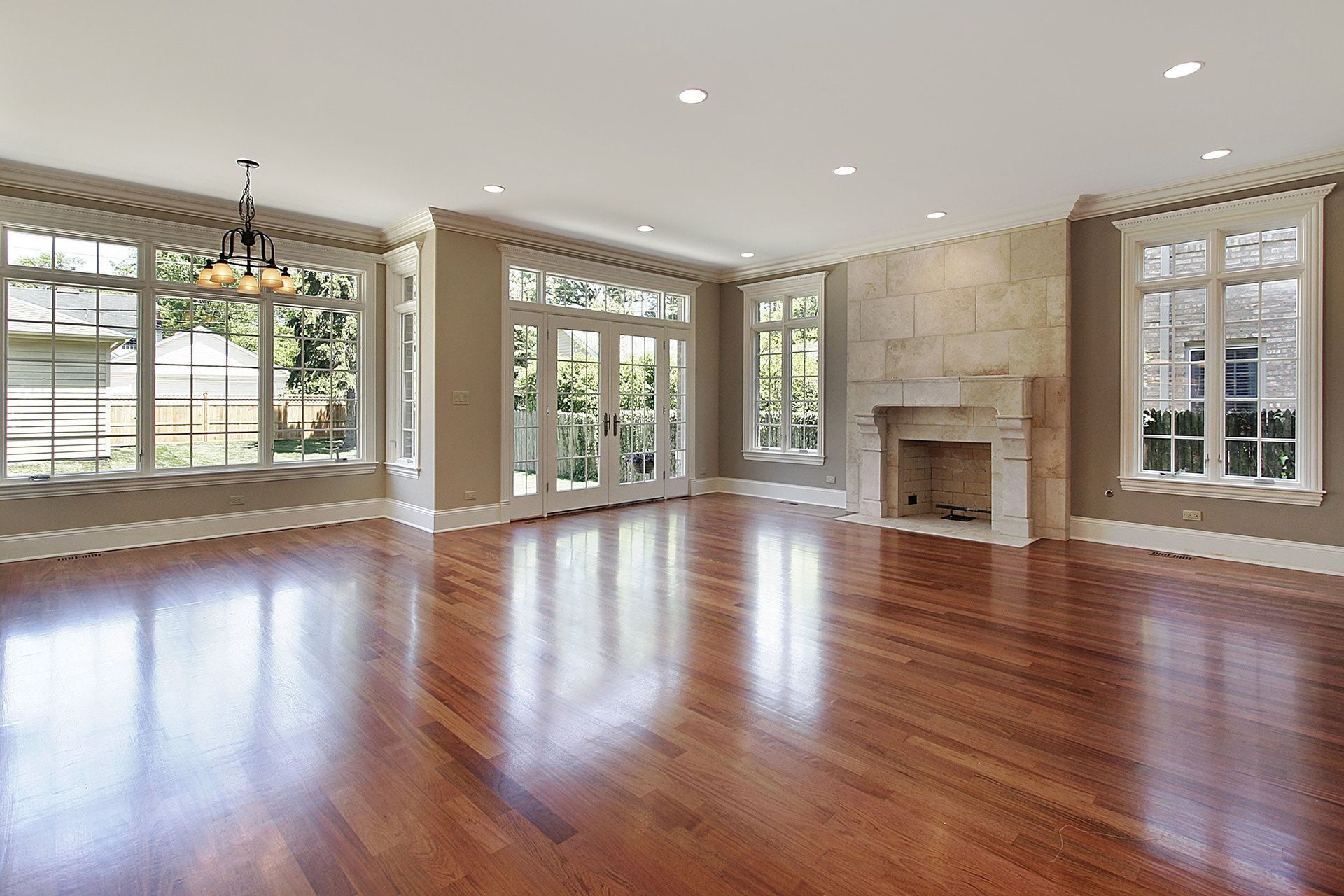
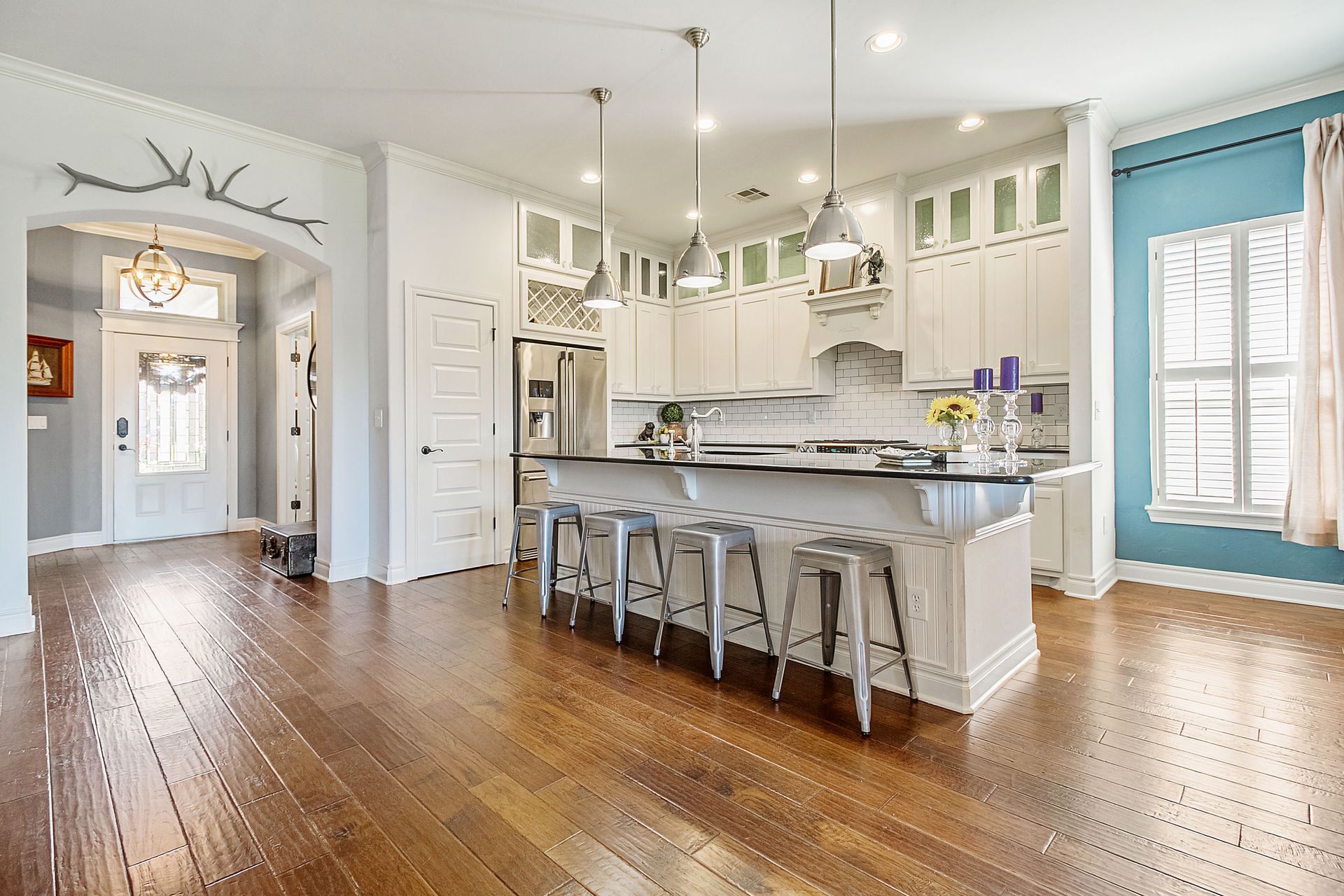
A hardwood floor contributes more than color to a room. Its grain and texture become part of a home's character, making worn patches or damaged boards especially noticeable. Preserving that appearance requires attention to both the visible surface and the condition of the boards beneath it. A floor may need care well before its wear becomes obvious from across the room.
Thoughtful wood flooring maintenance combines protection from everyday wear with professional attention when the finish or underlying material needs work. Understanding the difference between surface dullness, localized damage, and deeper deterioration helps homeowners seek appropriate care. That distinction supports lasting beauty without treating every imperfection as a reason for extensive restoration.
Care That Suits the Existing Finish
The finish is the starting point for understanding how a hardwood floor should be maintained. Different coatings have different care requirements, and a product suitable for one surface may be inappropriate for another. Knowing what finish is present helps prevent decisions based only on a cleaner's label or a floor's apparent shine. When the coating is uncertain, professional guidance can clarify which care recommendations apply to the existing surface.
For a hardwood surface, compatibility matters more than a temporarily glossier appearance. Cleaning products should be selected according to the flooring or finish manufacturer's recommendations, while wet mopping and steam cleaning can expose the surface to damaging moisture. A floor that remains dull despite appropriate cleaning may have a worn finish rather than lingering dirt. Persistent dullness is a reason to have the finish checked rather than assume more intensive cleaning will restore its appearance.
Less Wear in Frequently Used Areas
Hallways, entrances, and the space around dining furniture often show wear before quieter rooms do. Repeated foot traffic and movement concentrate contact in particular areas, gradually changing the appearance of the protective finish. Loose grit adds another source of abrasion when it travels across the surface under shoes. Attention to those frequently used areas makes maintenance more responsive to how the household actually uses the floor.
Entry mats and suitable furniture protectors can help limit avoidable contact with wood flooring. Their materials should be compatible with the floor's finish, since protection should not create a separate surface problem. Furniture movement also deserves consideration when rooms are rearranged, particularly where heavy pieces could leave scratches or dents. These precautions do not eliminate normal wear, but they can reduce unnecessary damage between professional services. A finish that grows noticeably thinner along a walking route warrants evaluation before the exposed area becomes a deeper repair concern.
Moisture Changes Deserve Early Attention
Water exposure can affect more than the appearance of a hardwood surface. Moisture may contribute to staining, changes in board shape, or movement that alters how the floor feels underfoot. Indoor humidity also influences wood, which can expand and contract as conditions change. Persistent or widening gaps, raised edges, and new discoloration deserve professional attention, while minor gaps that come and go with seasonal changes may reflect normal movement.
Protecting wood flooring includes recognizing changes in the room as well as the boards. A flooring professional can assess staining, cupping, or other visible damage and discuss whether repair or restoration is appropriate. Any continuing source of water exposure needs attention before restoration; refinishing changes the surface but does not correct the source of moisture. The extent of the damage determines what can be preserved and whether professional repair is appropriate.
Renewing Protection Through Recoating
A hardwood floor does not always need full sanding simply because its finish looks dull. Surface scratches, uneven sheen, and dullness can indicate wear in the existing finish while the wood remains in otherwise serviceable condition. Professional buffing and recoating may be appropriate at that stage. The process refreshes the protective surface rather than removing the old finish and sanding down to bare wood.
Recoating generally involves surface preparation, light abrasion of the existing finish, and application of a new protective topcoat. Its suitability depends on both the floor's condition and the compatibility of the coating already present. Wax, certain factory finishes, or damage extending into the wood can change which treatment is appropriate. Traffic patterns matter when deciding on timing, so a frequently used room may need attention sooner than a lightly used space. Assessing the actual wear is more useful than assuming every floor should receive the same treatment on a fixed date.
Timely Repairs for Localized Damage
Maintenance also involves recognizing when an isolated problem needs more than renewed finish. A loose board, persistent squeak, deep scratch, or splintered edge may require a targeted repair. Those concerns can affect the floor's function as well as its appearance, especially where movement or an uneven surface interrupts normal use. Early professional evaluation helps establish whether the issue is confined to one area or connected to conditions elsewhere in the floor.
Repairs to wood flooring can include securing or replacing damaged boards, addressing scratches and dents, or correcting problems involving the supporting subfloor. The appropriate work depends on the source and extent of the damage rather than the visibility of the mark alone. Where replacement boards are necessary, matching species, grain, color, and finish helps preserve a consistent appearance. Older floors may benefit from age-matched reclaimed material that suits the surrounding boards. The aim is to restore a damaged section while retaining usable original material wherever the floor's condition allows.
When Sanding and Refinishing Make Sense
Wear that reaches the wood can affect both its texture and appearance. Scratches that extend into the wood, extensive finish deterioration, or discoloration may require professional sanding and refinishing rather than recoating. Before recommending refinishing, a professional needs to assess both the damage and the remaining usable material, since visible wear alone does not establish what the floor can withstand.
Professional refinishing removes the old finish and addresses surface wear through sanding before new stain and finish are applied as appropriate. That process can renew the appearance of wood flooring while preserving the existing boards, provided their condition supports restoration. It also offers an opportunity to discuss the desired color and sheen without making appearance the only priority. A suitable protective finish must work with the material and the way the room is used. Clear expectations about preparation, finishing, and project timing help homeowners understand the work involved in returning the floor to service.
Maintenance With the Future in Mind
According to the National Wood Flooring Association, properly maintained hardwood floors can remain in service for as long as a century. That potential lifespan explains why continuing care matters beyond keeping a room attractive today. Protecting the finish and addressing repair needs helps preserve material that may serve the home through many changes in furniture and design. Long service life is a possibility supported by appropriate care, rather than a promise for every floor.
Plans for future care should account for how each room is used and what work has already been completed. Earlier repairs, recoating, or refinishing give a professional useful background when assessing a new concern. Keeping those details together can help distinguish a fresh problem from wear that has been developing over time. The appropriate next step should follow the floor's present condition, even when similar work was performed elsewhere in the home.
A well-cared-for hardwood floor can remain part of a home's character through years of everyday living. The purpose of maintenance is to preserve that familiar surface while responding appropriately when its condition changes. At Abeln Floor Systems, we provide professional buffing and recoating, repairs, sanding and refinishing, and restoration for existing hardwood floors. Contact us to discuss the care your floors need.